
Future Me Feedback
Who do you want to be...right now?
History's greatest achievers - a Napoleon, a da Vinci, a Mozart - have always managed themselves. That, in large measure, is what makes them great achievers. But they are rare exceptions, so unusual both in their talents and their accomplishments as to be considered outside the boundaries of ordinary humans. Now, most of us, even those of us with modest endowments, will have to learn to management ourselves which really comes down to knowing who we are. Our authentic identity.
There may not be a more important time in human history than today when it comes to that challenge. In the past, people had little need to know much about who they thought that they were. A person was born into a position and a line of work: The peasant's son would be a peasant; the artisan's daughter and artisan's wife; and so on.
But today, with the integration of our lives of social media which effected how we viewed the world, other people and ourselves, we now are looking at learning to manage our lives with the use of Artificial Intelligence (A.I.).
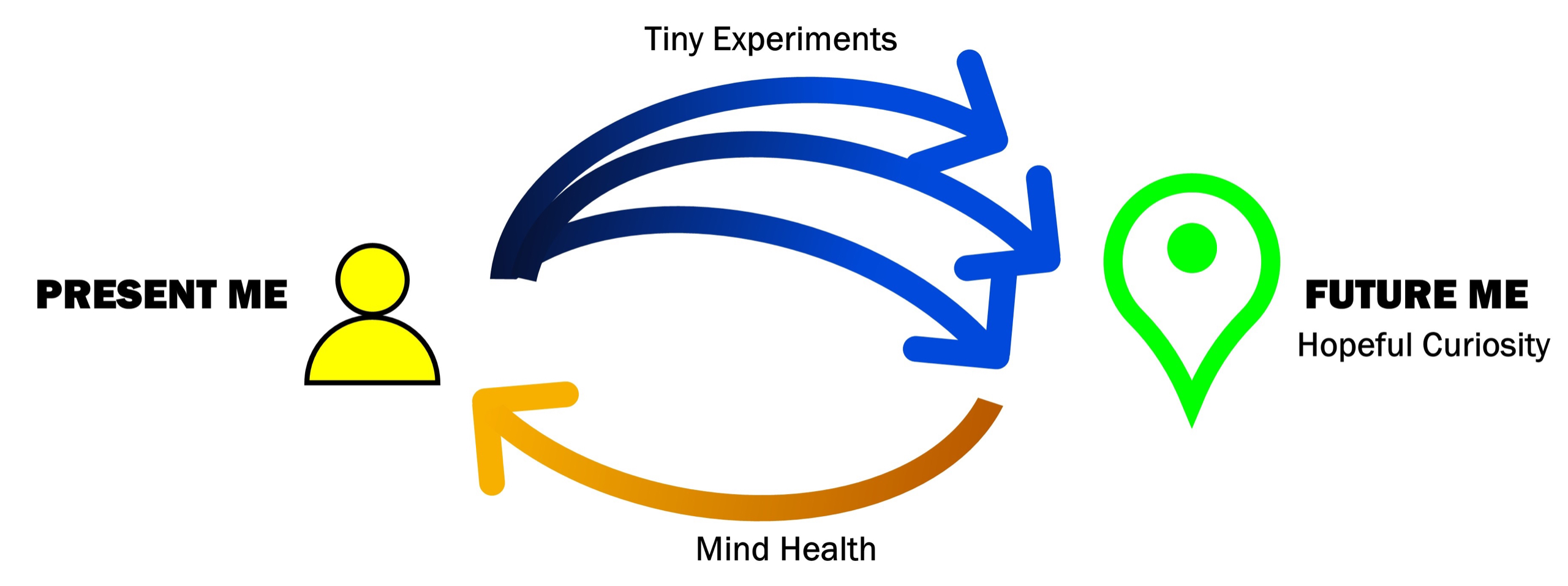
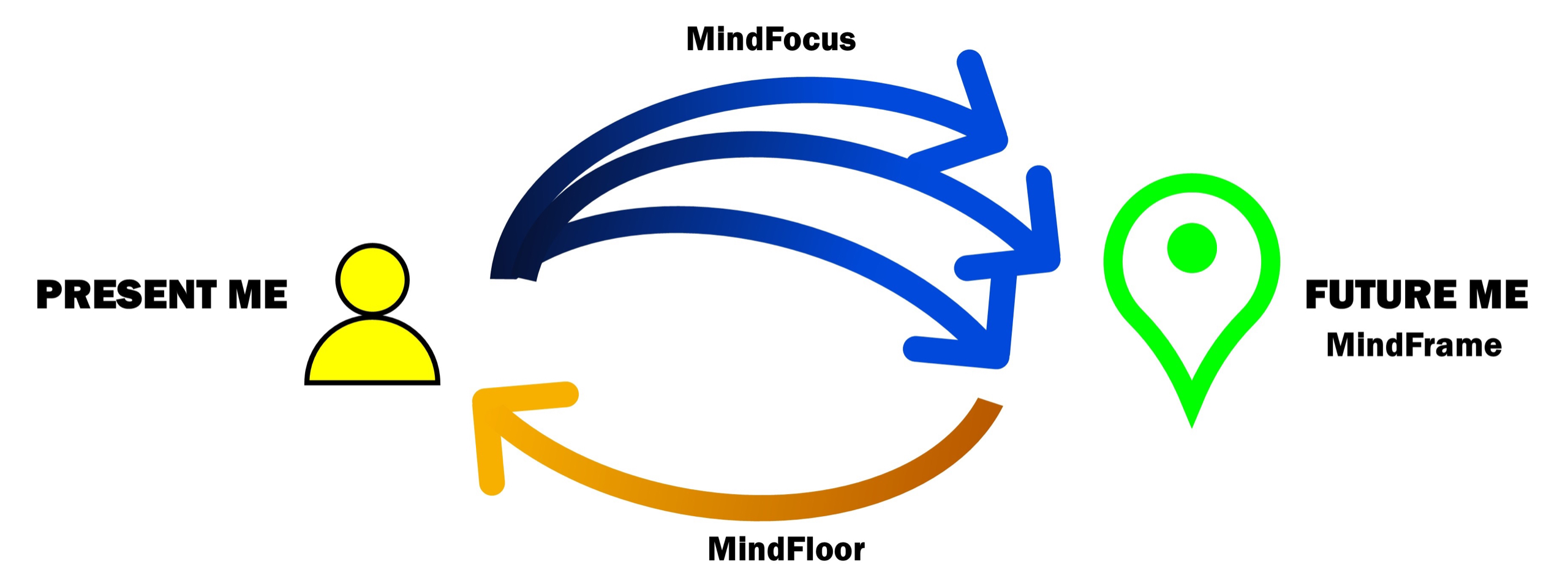
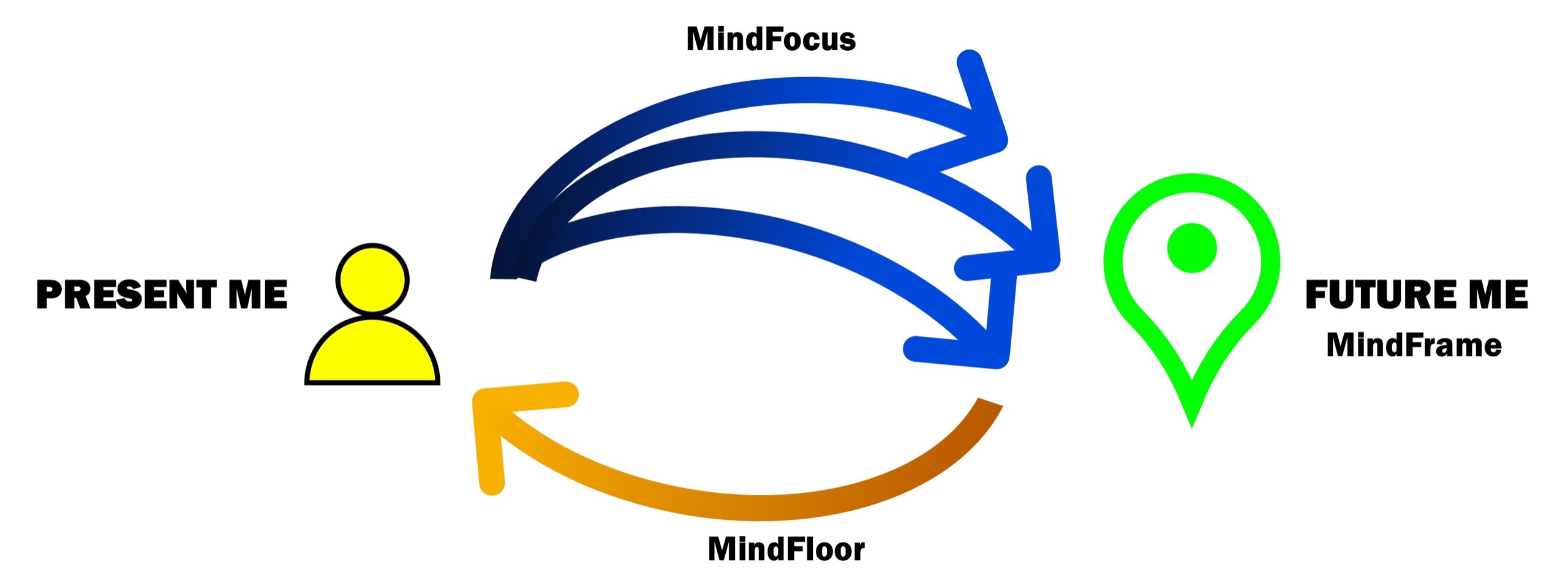
The Neuroscience of Hope demonstrates that it’s all about having the right or the wrong mind frame for the task. You can have the best tools and strategies, but if you don’t have the right mindframe, things are not going to work.
According to the Merriam-Webster dictionary, a mindframe is a mental attitude or outlook. It’s more than just a mood, it encompasses the particular way someone thinks or feels about something, and deeply influences one’s behaviour.
What we find interesting is that mindframes are always presented as states in which the individual is bound to be. A mindframe seems to be a passive state.
It influences how the individual thinks and acts, but we rarely discuss how the individual can influence their mindframe.
This may be what is wrong with our approach in setting, managing, and achieving our goals. Instead of shaping our mindframes in a way that plays in our favour and makes it easy for us to progress and feel fulfilled, we see positive mindframes as lucky aids and negative mindframes as inevitable obstacles.
The Neuroscience of Hope is about mindframing compared to other learning frameworks you might have tried. So if you have been frustrated by your ability to actually change your life and you have tried just about everything that you know to see real results, consider this proven process which has worked for decades with amazing results.
"Build a Strong Mind by Thinking from your Future so that You have the Freedom to be Human"
( click image below )