Why is it so darn hard to be hopeful and even harder to turn hope into something tangible? What is it that our minds and voices always turn to the worst?
Hope requires uncertainty. You can't hope for what's already settled. The muscle that holds not-knowing is the muscle that imagines something better. Predictions close the future and that's what makes them corrosive, even when they're right. Reading predictions let's us feel like we're thinking when we're being thought at. Today's predictions take the form of metrics or numbers and they can feel very certain.
The numbers feel so much more authoritative than ideas for new value structures. But this is yet another form of optimization. And the result is that we treat optimization as serious and imagination as soft. So we've lost more than we realized. We have to rebuild our lazy eye.
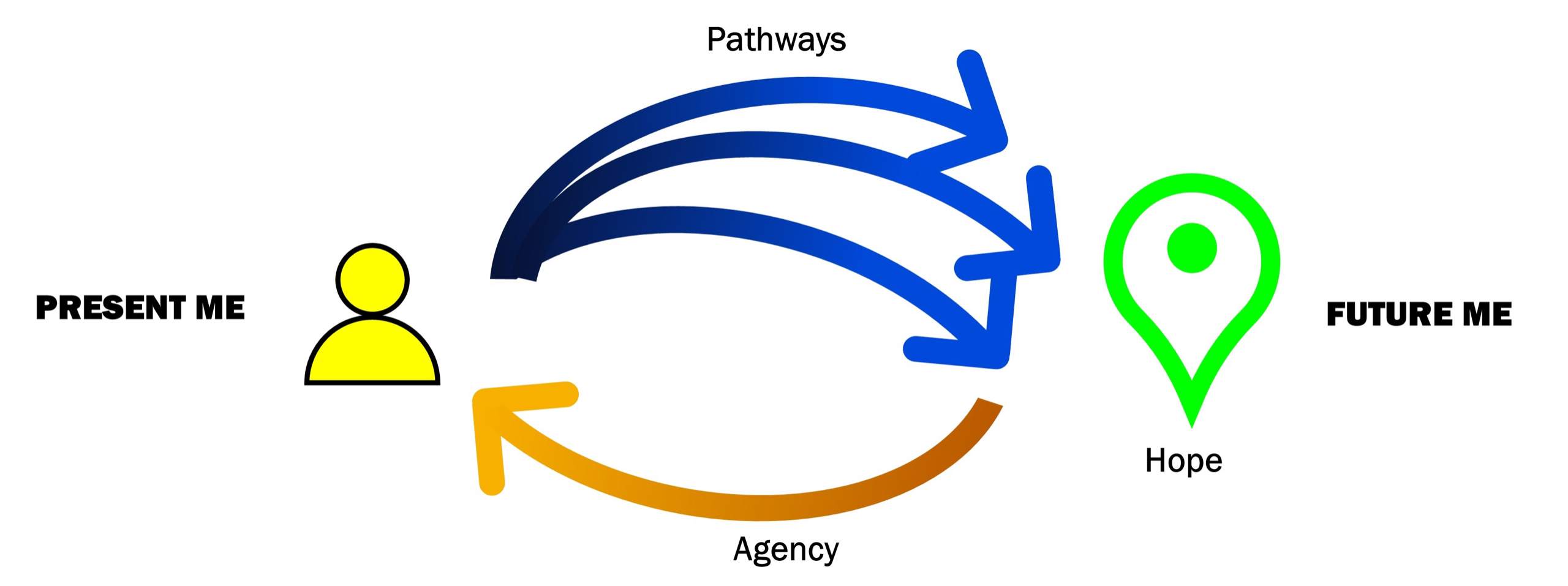
Hope = Goals + Agency + Pathways
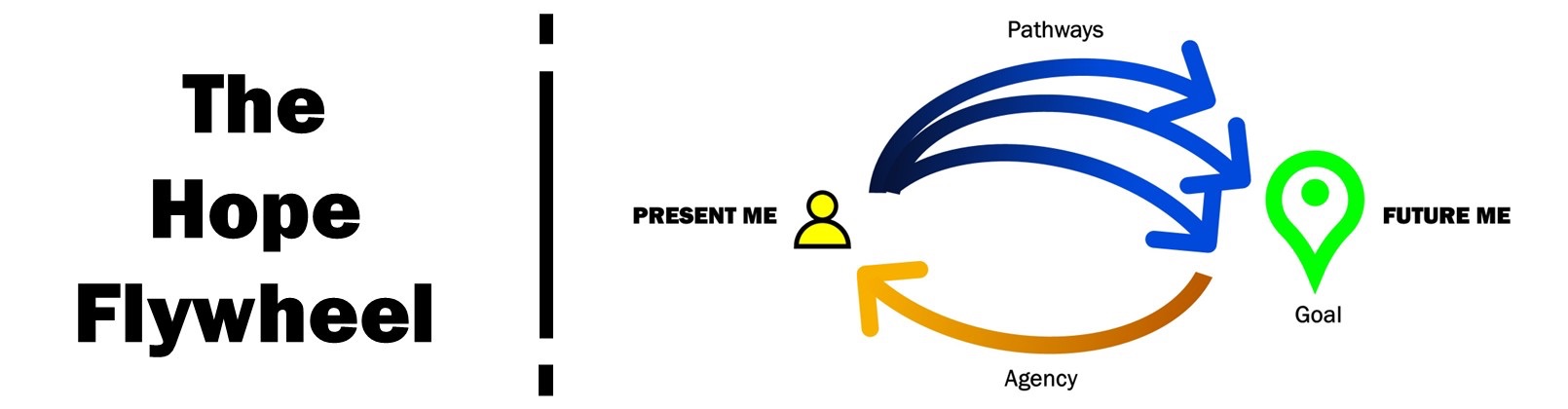
Hope has three parts: Goals + Agency + Pathways. (Which forms an easy to remember acronym: GAP.)
First, we have Goals. When we feel most hopeful, we’re in pursuit of a clear goal of the future that’s better than the present. The Goal is self-concordant. It’s an authentic desire—something we really want to create in our lives—not merely something we feel like we “should” have or are “supposed to” want in life. When we don’t have a goal that feels authentically inspiring, our hope drops through the floor. But when our goals light us up, we’re filled with energy to move towards them.
Second, there’s Agency. Which means we believe we have the ability to influence making that future vision a reality. We feel a sense of internal power. And we embrace how the actions we take can contribute to reaching our Goal. When we don’t feel much agency, we feel stuck, and fall into hopelessness. But when our agency is high, we know we have what it takes to reach our goals.
And third, we’ve got Pathways. Which is all about optionality—knowing that there are many different routes we can take to reach our goals. When it feels like there’s only one path we can take to reach a goal, it feels like we’re walking a tightrope. One wrong move and we’re toast. But when we know there are countless paths we can take to reach our destination, it’s easy as a Sunday drive. Doesn’t matter if there’s some road construction along the way, because there are plenty of other streets we can take to get there.
Pretty cool, huh?
Three variables: Goals + Agency + Pathways.
Now that we know them, let’s explore a little more about how we can understand our hope levels. And use that understanding to boost our hope to new heights.