Future MindFraming
A Personal Leadership Framework
Learn How To Excel By Elimination
It’s time to level with you. It’s about how you think and how that thinking creates original thought. You have been lied to.
The process of thinking like an expert is not what you believe.
In fact, they’ve sold you a lie about how they come up with solutions to a major problem.
When in reality, the opposite is true.
First, the lie.
Here’s how we THINK experts come up with solutions:
1. They gather the data
2. They interrogate the data
3. They come to a rational conclusion
But in the real world? It rarely works this way.
Here’s the reality
1. Take a quick glance at the situation
2. Come up with an instinctive hypothesis, half jokingly
3. Try it on for size and if it seems to fit, attempt to put it into practice so that they can look at it more deeply.
It’s messy. It’s lazy. It’s casual. It’s unrigorous. It’s unprofessional.
But it works! But why?
“There are far more good ideas you can post-rationalise than pre-rationalise”
This is even how science works.
Almost no drugs were designed for the purpose they ended up being used for (pre-rationalisation).
Pretty much every single one was stumbled upon and post-rationalized.
What about analysis?
Analysis is great.
But for testing hypothesis, not generating them.
For checking your thinking, not for doing it for you. Lead with imagination. End with analysis.
So that’s the trick.
Breakthroughs emerge not because of what you know, but because of what you notice. Knowing takes time, but noticing happens in an instant.
The Future Me Method supercharges this process of creating original ideas while all the time you are having fun doing it.
The Future Me Method works because it uses mind disruption which engages any idea from the future, present and past.
It is this unique process of viewing something from a different perspective that gives you new insights and revelation.
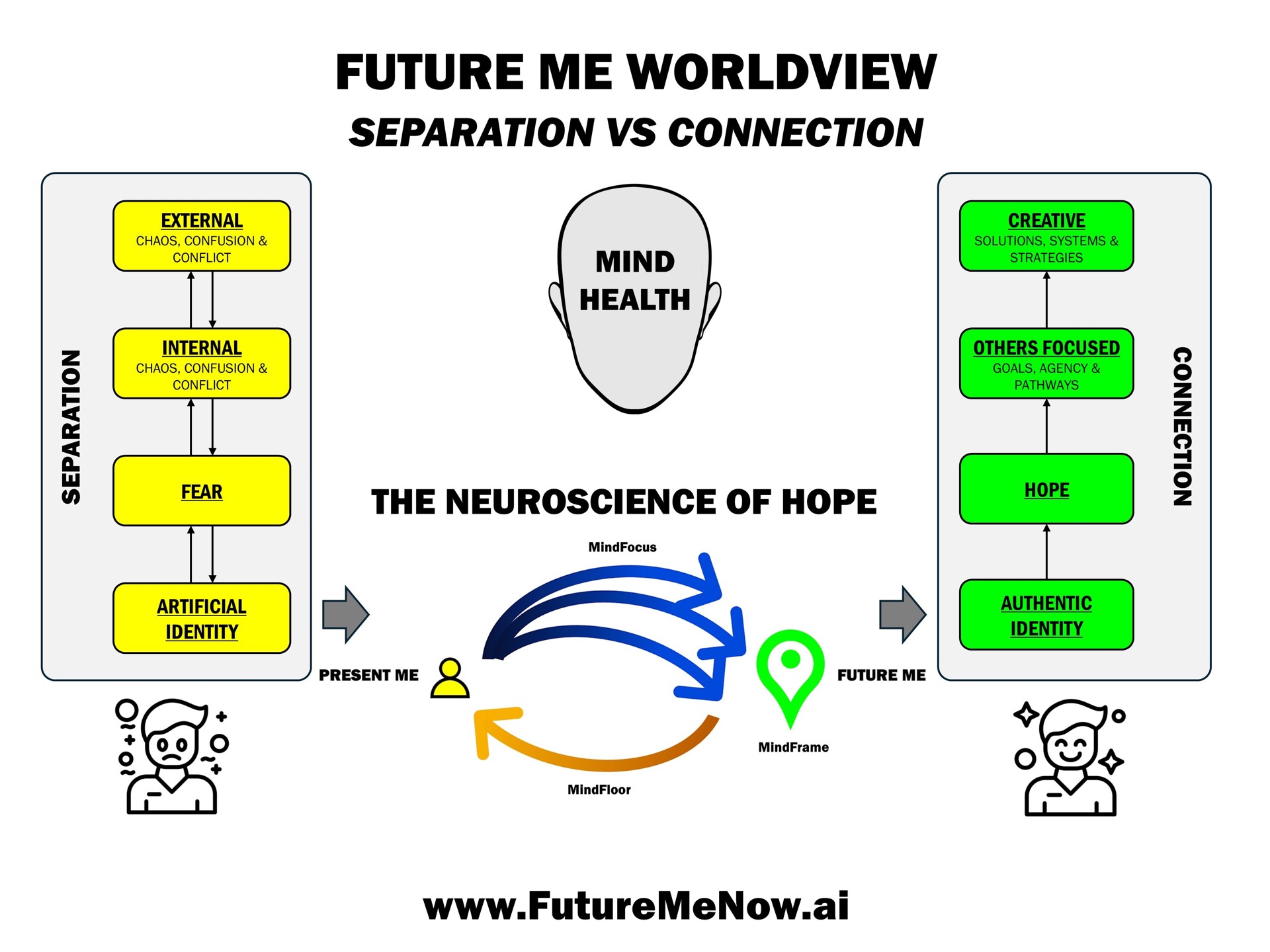
And this process is fast. Depending upon how clear you are about your authentic identityt, it is possible to see instant results just by engaging with your intuitive mind.
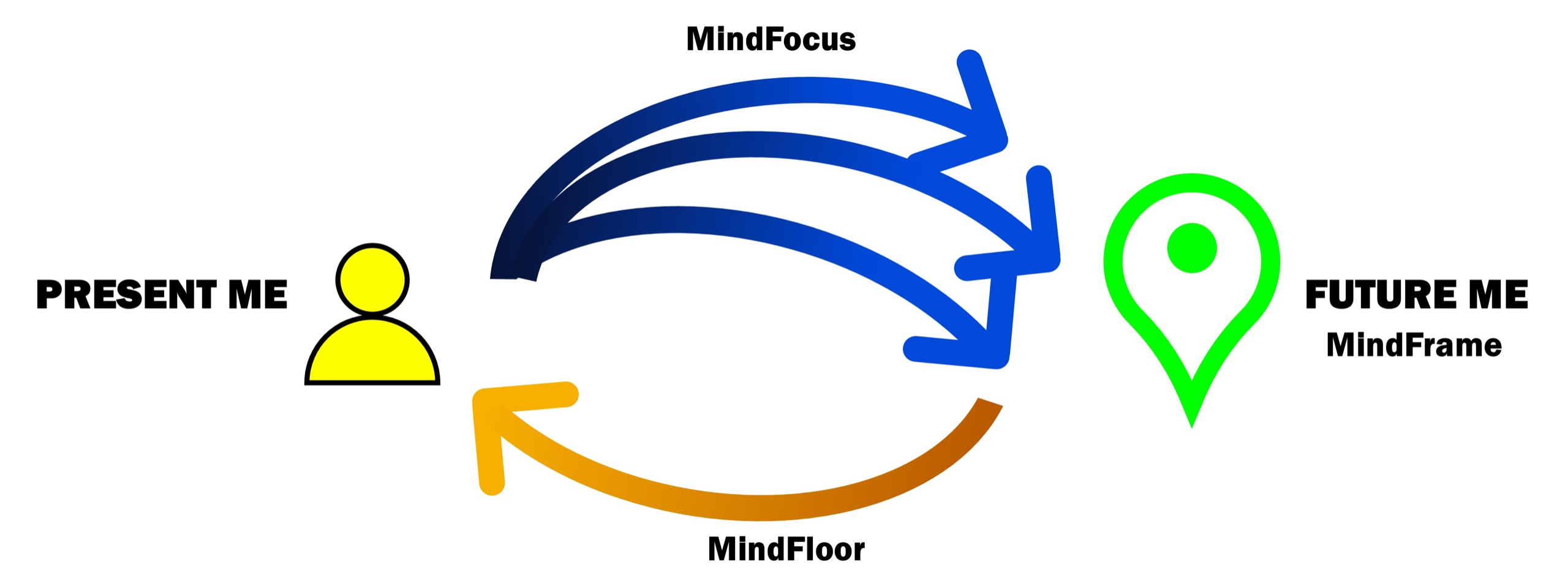
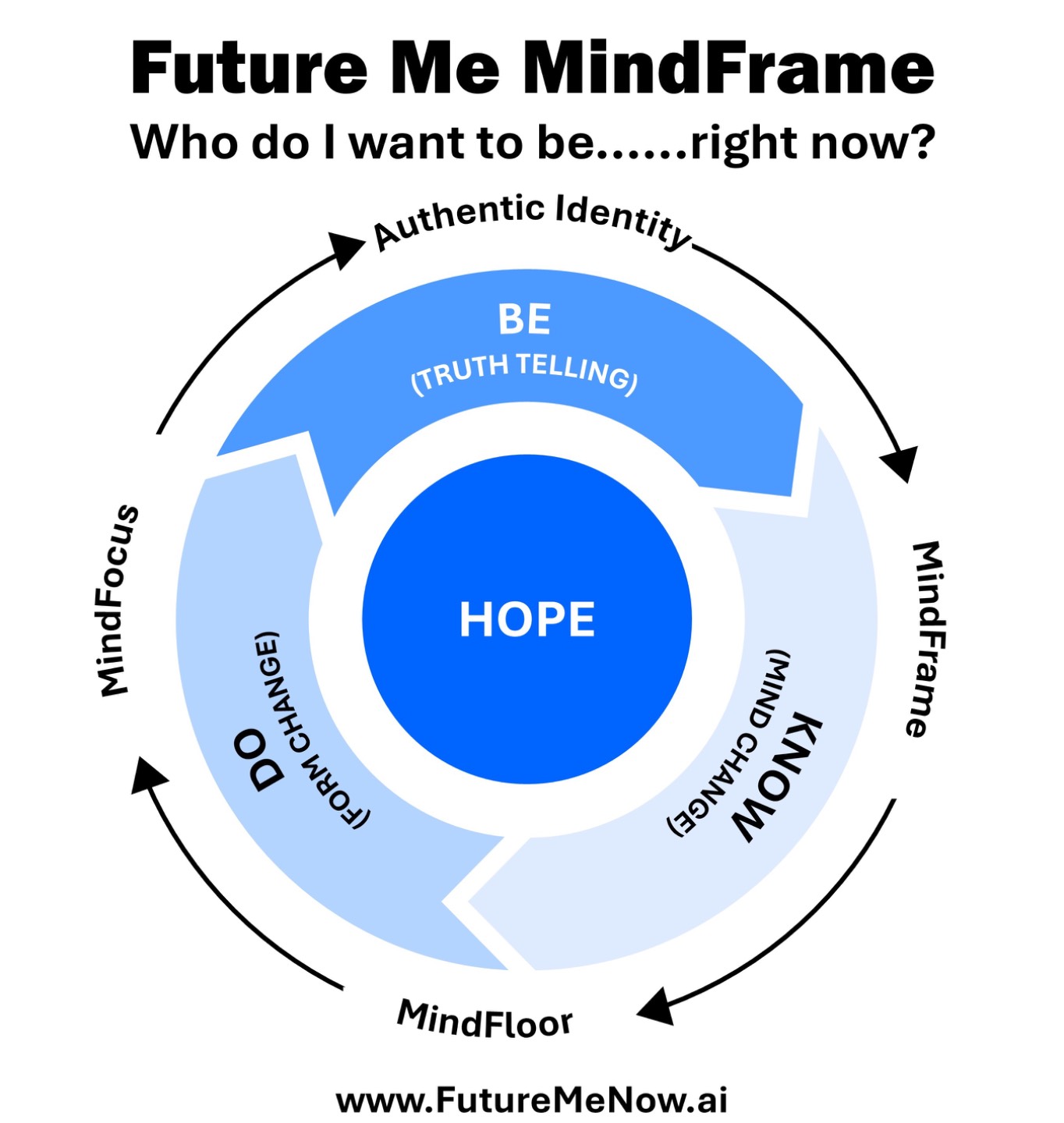
The real secret to the Future Me Method is that you start with connecting to your Future Me. It’s only when you begin to develop a relationship with who you are going to become that you can immediately begin to be pulled into the direction of your thoughts.
As those thoughts begin to get pulled back to our present over time, then your mind has plenty of mental agency to meditate on getting more and more clarity around the construct and in fact it is that depth that brings even more revelation and understanding.
The moment you receive your Future Me concept or idea that comes back to you in the present, then it’s game on and you know that the seed that was originally planted into the future has begun to grow roots.
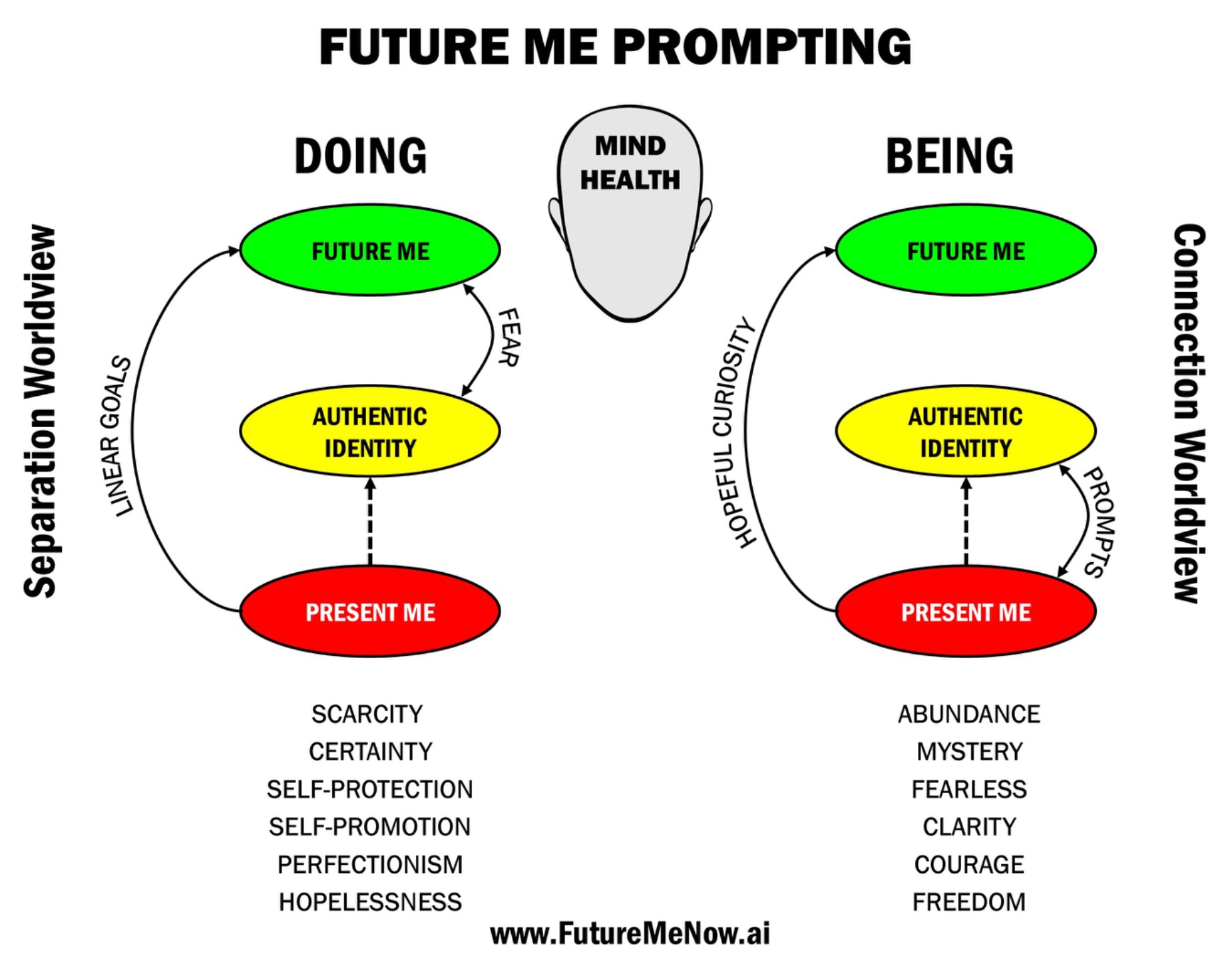
When you review it in the present, that idea now is popping through the soil and when you review it in the past, you will realize that you have entered into the Future Me Worldview, in which anything is possible.
Build A Strong Mind by Thinking from your Future so You have the Freedom to be Human
( Click Image Below)